
The Blog
Is Your Kitchen a Microplastic Factory? What You’re Cutting, Scrubbing, & Heating Matters
April 1, 2026
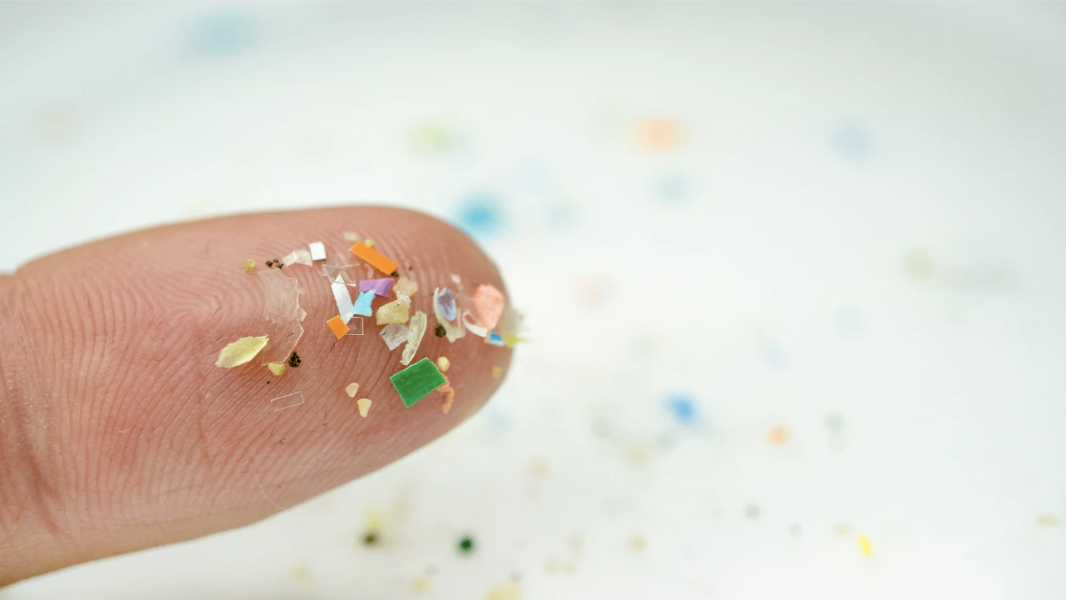
At last year’s Green Drinks gathering at fulFILLed Lifestyle Co., the room went quiet when a guest doctor shared a startling statistic: the average person now carries about a plastic spoon’s worth of microplastic in their brain. Not in our oceans or landfills—in our brains. Naturally, everyone wanted to know: where is all this plastic coming from? While microplastics are everywhere in modern life, in this article we’ll be focused on those common culprits found in our kitchens.
First, a quick refresher. Microplastics are plastic particles smaller than 5 millimeters. They form when larger plastics break down through abrasion, heat, and chemical processes. Here are a few common kitchen items that may be unintentionally adding microplastics to your meals.
1. Plastic Cutting Boards
If that makes you cringe, you’re not alone. As a former environmental journalist, and now someone who runs a local business focused on helping people reduce toxins and plastic, I only removed plastic cutting boards from my home a few years ago.
Plastic boards have long been marketed as the most hygienic option, but every knife stroke scrapes off tiny fragments of plastic. A 2023 study published in Environmental Science & Technology estimated that typical use of polyethylene or polypropylene cutting boards could release 14–79 million microplastic particles per year.
Instead, consider cutting boards made of wood, bamboo, marble, or tempered glass. I personally use wood or bamboo for produce and glass for meat and poultry because it’s easy to sanitize.
2. Sponges and Scrubbers
Many common kitchen sponges are made of plastic-based materials that shed microscopic fibers as they wear down. Those fibers can end up on your dishes, in your food, or washed down the drain into wastewater. Natural alternatives like plant-based sponges, wooden scrub brushes, loofahs, or cotton dishcloths can help reduce that plastic shedding.
3. Plastic Containers and Microwaving
Heating food in plastic containers—even ones labeled “microwave-safe”—can increase the release of micro- and nanoplastics. Research shows that just a few minutes of microwaving can release millions of particles into food.
“Microwave-safe” simply means the container won’t melt or warp. It does not guarantee that chemicals or plastic particles won’t leach into your food. Glass or ceramic containers are a safer option for storing and reheating meals.
4. Tea Bags and Plastic Wrap
Many conventional tea bags contain polypropylene, which can release billions of microplastic particles when steeped in hot water. Plastic wrap, resealable bags, and takeout packaging can also shed microscopic fragments when stretched or heated. Switching to loose-leaf tea, beeswax wraps, silicone bags, or glass storage can help reduce these exposures.
The long-term health impacts of microplastics are still being studied. But one thing is clear: our kitchens play a bigger role than we might think. The good news is that a few simple swaps can significantly reduce the plastic particles entering both our meals and our bodies.
By Kimberly Flores, co-founder fulFILLed Lifestyle Co.
