The Blog
Plastic Free July: Lessons from the Open Road
October 14, 2026
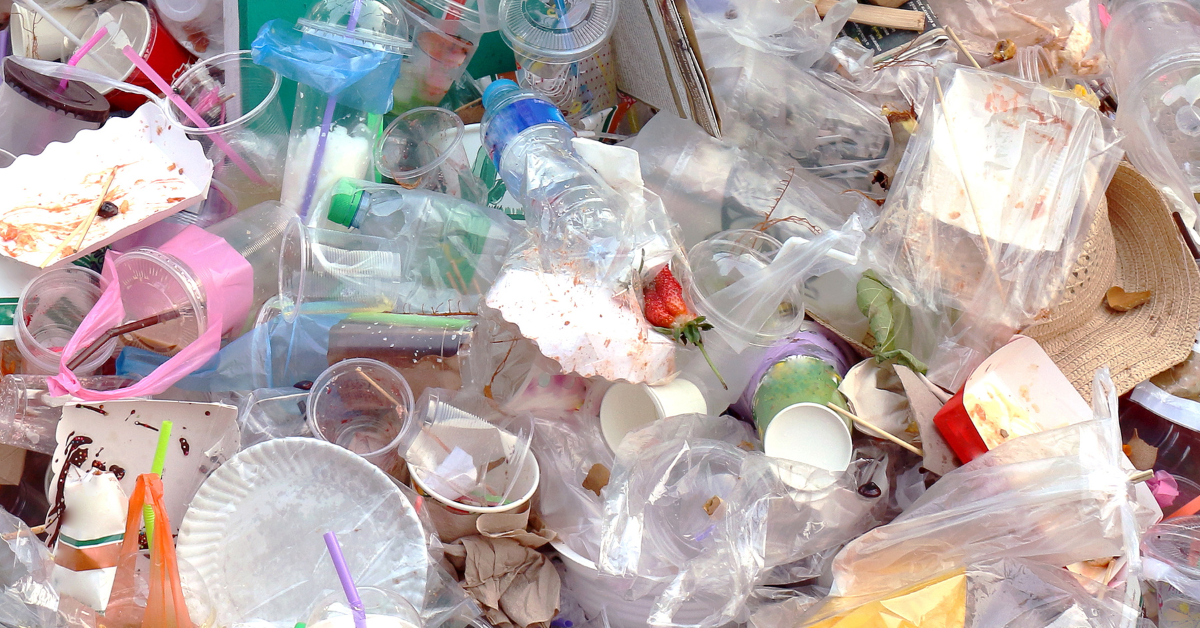
This year marked my first official Plastic Free July as Executive Director of the Utah Recycling Alliance. As an organization, URA partnered with Salt Lake City sustainability partners to collect stretch plastics and PVC throughout the month, with single-item collection bins at the Sorenson Community Center, NeighborWorks, and Rosewood Park. The SLC Sustainability team also hosted tabling events throughout July, collecting stretch and PVC plastics while educating the public, keeping hard-to-recycle materials out of the landfill and moving them into proper recycling and circular economy channels.
On a personal level, I decided to take the challenge one step further: where possible, I would try to live a plastic-free July myself. My initial thought was honest. I knew this would be hard, given my work in recycling, but I have lived in some unique corners of the world, places with limited water, spotty electricity, and few of the conveniences we take for granted. Surely giving up single-use plastic for a month would be manageable. And to be clear, I wasn’t surprised by how much plastic is out there. Where I went wrong was in estimating how easily I could substitute eco-friendly alternatives. What proved eye-opening was the sheer challenge of avoiding plastic even with the best of intentions.
The real test came with a July road trip, starting at Flaming Gorge, winding through Lander, Wyoming with a few stops in between, and ending in the Tetons. I packed like someone determined to succeed: takeaway containers, my own silverware, a trusty coffee mug, and the reusable shopping bags that always live in my car. I expected gas stations to be a challenge, with their walls of Gatorade, bottled water, and sugary snacks, all the necessary items for a solid road trip.
What I didn’t expect was how hard the grocery stores would be, too. Hunting down powdered drink mixes in smaller packages, finding snacks not sealed in film, picking up takeout across Wyoming and realizing a bit too late that I hadn’t immediately (and awkwardly) asked the counter to use my Tupperware and glass containers. Over the course of the trip, I asked three different people where they recycled, and no one could point me to a depot or central location. I did find a glass collection center, but by day three of our eight-day trip, we were packing up all our recyclables and carrying them with us. The time and distance required to find a proper recycling location made the back of the car the easier option.
That was the surprise of the whole experience. For all the beauty of the West, keeping it pristine is not easy. In rural communities, the distances are long, the volumes are small, and access to facilities is legitimately cost-prohibitive. These communities are incredibly resourceful, but the complexity of what can and cannot be collected is far from straightforward, and the burden is real. I absolutely get it. So we did the only thing we could: we packed out our own trash, sorting what was clearly marked for glass or aluminum and carrying the rest home for proper waste management.
I came away with a more honest view of single-use plastic. I don’t expect we will ever get rid of it, but far more can be done to recycle and repurpose it. It provides a real service; hygiene, contamination control, and shelf-stable convenience matter, especially on a three-hundred-mile stretch of highway. But given the immense volume of these products moving through consumer markets every single day, the ability to reuse and recover them should be far easier than it is.
Right now, the system is built for disposal, and it is incredibly hard to opt out.
That is exactly what URA’s work is about: our collection events, our stretch plastic and PVC partnership with the Vinyl Institute, and our work with Salt Lake City Sustainability and other municipalities to divert materials from landfills and build awareness of where our everyday goods actually end up. The solutions are not imminent, but through paying attention and making active choices, we keep moving the needle toward a healthier environment, one decision at a time.
By James Flock, Executive Director of Utah Recycling Alliance
