The Blog
Receipts – Are they recyclable?
November 4, 2026
By Sadie Bretts
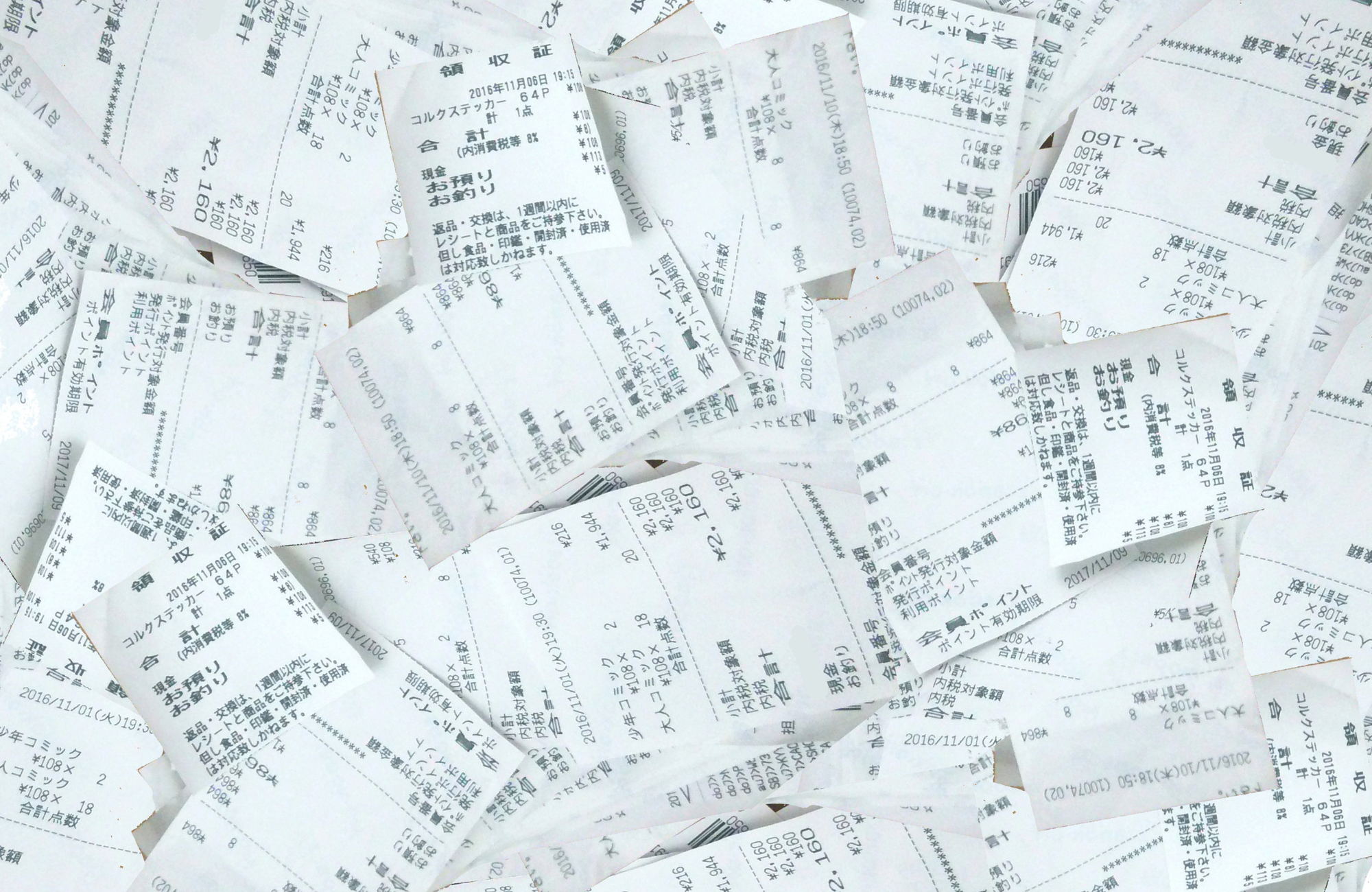
Every single day for decades, people have received receipts after making purchases. Whether it is a grocery store, retail store, or dining establishment, customers are often given a physical copy of what they spent their money on. Most of the time, people do not need these receipts, and they toss them into the recycling bin, thinking they are helping the planet by recycling paper. However, receipts have a lot more to them than just paper.
This is where most people go wrong. Many store receipts are printed on a special type of paper called thermal paper. Unlike regular paper, which uses ink to display text, thermal paper contains a chemical coating that reacts to heat, producing the words and numbers we see printed on the receipt. This coating often contains chemicals called bisphenol A (BPA) or bisphenol S (BPS). This coating is a toxic endocrine-disrupting substance that immediately infects the rest of the recycled material once it comes in contact with one another.
Both BPA and BPS can change the way we produce and regulate hormones, in turn impacting bodily functions such as growth, development, metabolism, and reproduction. These chemicals are concerning because they can interfere with the body’s natural hormone signals, possibly disrupting normal biological processes. Although BPA has received a lot of attention, BPS is not necessarily a safer alternative. It has also raised lots of concerns about potential hormone-related effects.
The problem does not stop with the person dealing with the receipt. When thermal paper enters the recycling process, its chemical coating can contaminate other paper materials. During paper recycling, collected paper is mixed with water and broken down into pulp. The pulp is then processed to remove unwanted materials before being turned into new paper. However, chemicals such as BPA and BPS can remain in the recycled pulp and enter the wastewater produced in the process. Research shows that BPA can survive some wastewater treatment processes and make its way into the environment, including rivers and other aquatic ecosystems. This creates another pathway for potentially harmful chemicals to reach wildlife and surrounding ecosystems.
In fact, studies have detected bisphenols in recycled paper products, demonstrating that these chemicals can move through the recycling system rather than simply disappearing. This means that recycling a receipt does not necessarily eliminate its environmental impact. It can actually introduce chemicals into materials that would otherwise be suitable for reuse.
Here are a few alternatives to recycling your receipts:
- Always choose a digital receipt emailed to you rather than a physical printed receipt.
- If you do have a physical receipt, make sure to trash it.
- Decline getting a receipt at all if you do not need to see a copy of your purchases.
