The Blog
What does it mean for a product to be “carbon neutral”?
June 26, 2026
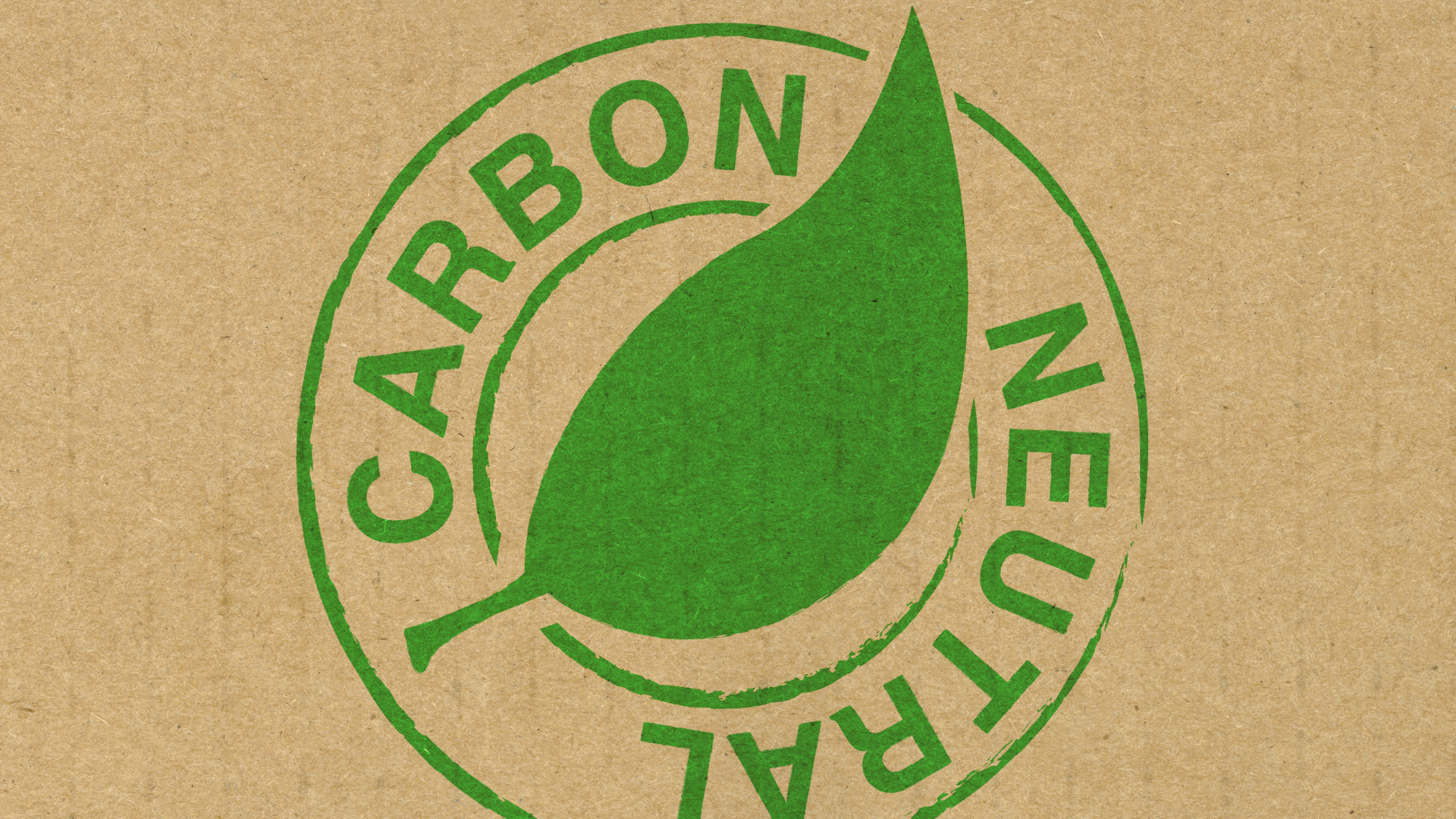
As more and more companies strive to create increasingly sustainable products with reduced environmental impacts, we see a lot more packaging promoting “carbon neutral,” or “carbon negative,” products. What does it mean for a product to be “carbon neutral,” and what steps do companies have to take to make those claims?
There is no government standard in the United States to certify a company or a product as carbon neutral. For a company to claim carbon neutrality on its products, they typically go through a three-step process. First, companies have to evaluate the complete carbon lifecycle of the product. This means everything from the natural resources the product is derived from, to the end-waste product it will turn into. The carbon cost must be calculated for every stage of the lifecycle and added up to produce an estimated total carbon footprint for the product.
Next, companies must find points in the manufacturing, design, or distribution process where they can cut emissions by improving efficiency or sustainability practices. This is typically done with the help of a sustainability consultant and can result in huge energy and waste savings.
Finally, companies reevaluate their products’ total carbon footprint (after making improvements) and purchase carbon offsets for the remaining carbon of the product. Carbon offsets are projects, programs, or technological advancements that companies can invest in to reduce or remove carbon emissions from the atmosphere. Several major corporations that provide carbon offset investments to manufacturers also partner with international environmental certifications, such as 1% for the Planet and the Climate Neutral Project.
Because there is no government standard, different companies can achieve “carbon neutrality” for a product in different ways. However, the US Federal Trade Commission can legally penalize companies that claim carbon neutrality without scientific proof. While greenwashing–the practice of claiming something to be environmentally friendly without evidence or truth–is still a common issue in today’s economic market, regulations and standard improvements allow consumers to feel more assured about common environmental claims such as “carbon neutral”.
Claiming a product as “carbon neutral” rarely means it was produced or distributed with zero-carbon emissions. Purchasing carbon offsets is an easy way for companies to help reduce their environmental impact and implement positive change; however, the primary focus should always be shifting to more efficient and more sustainable manufacturing practices on the corporate end. On the consumer side, purchasing “carbon neutral” products over other products is a great way to make sure you are supporting businesses who prioritize sustainability; however, a reduction in the amount of consumables and waste you personally create is always the best way to make a difference. Next time you purchase a product that claims to be “carbon neutral,” visit the company’s website to find out more about the claim and their environmental practices.
By Mia Moore
