
The Blog
Your Lawn and a Herd of Cows Have More in Common Than You Think
September 23, 2026
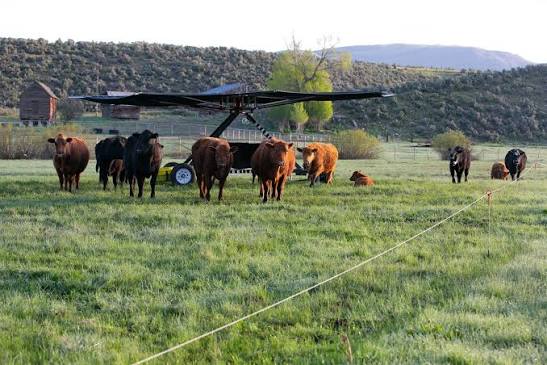
Did you know that keeping a healthy lawn and managing a healthy pasture follow a lot of the same rules?
At the Hi-Ute Ranch, just west of Kimball Junction, our lawn mowers happen to weigh about 1,200 pounds and have four legs. Through a partnership with Utah Open Lands, we use cattle and regenerative grazing as tools to help improve the health of this iconic open space.
We give our cattle access to a section of pasture for a few days and then move them on. The important part isn’t just when the cows arrive—it’s how long we wait before bringing them back.
Grass needs time to recover.
On the ranch, we generally look for our grasses to have at least three new leaves before we “mow” them again with cows. Those leaves are the plant’s solar panels. The more healthy leaf it has, the more sunlight it can capture and the more energy it can put back into growth and its roots.
As we head into fall, try applying the same idea to your lawn. Instead of mowing every Saturday because that’s the routine, pay attention to how quickly your grass is actually growing.
Waiting for three new leaves might get things a little shaggier than you—or your neighbors—would like. So start by stretching yourself. Let your lawn grow a couple inches taller than you normally would before pulling out the mower.
Remember, what you see above ground is only part of the story. More healthy growth above ground means more energy flowing below ground—supporting roots, feeding soil life and cycling nutrients.
So this fall, maybe we can celebrate a lawn that’s a little less manicured and a little more alive.
By Mitch Dumke
Mitch Dumke is a co-founder of 3 Springs Land and Livestock, a regenerative ranch operating in the Kamas Valley and Park City area focused on working with nature to raise healthy food, revitalize land and build resilient communities.
